The short answer
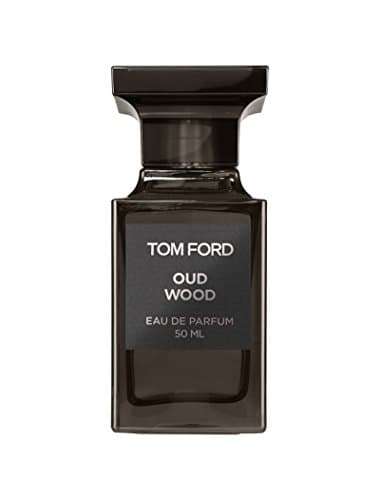
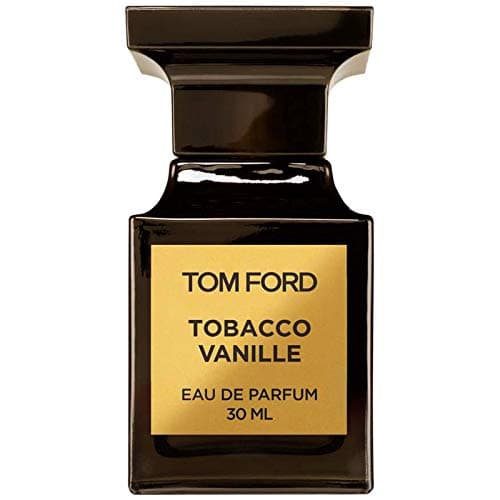
Buy Oud Wood first if you want one Private Blend you can actually wear. It is smooth, creamy, formal and appropriate almost anywhere from September to May, and it is the bottle that taught the Western market oud could be civilized rather than medicinal. Buy Tobacco Vanille instead if you specifically want a winter statement — it is the more impressive fragrance and the more famous one, and it is also close to unwearable in warm weather. Both launched in 2007, both cost Private Blend money, and they are about as far apart as two bottles from one line can be.
The mistake people make is treating these as two rungs of the same ladder. They are not. Tobacco Vanille is a seasonal, high-impact gourmand. Oud Wood is a year-round-ish, low-impact woody. If you pick by reputation you will usually end up with Tobacco Vanille, and a meaningful share of those buyers wear it six weeks a year and feel cheated. The full Tom Ford ranking puts both in context against the rest of the house.
What each one actually is
Tobacco Vanille — Olivier Gillotin, 2007
Tobacco leaf and spice over vanilla, cacao, tonka and tobacco blossom, with dried fruits and woods underneath. In wear that reads as pipe tobacco, dried fig, gingerbread and a suggestion of rum — dense, sweet, resinous and completely linear in the best sense. There is no three-act structure to sit through; the accord arrives in the first minute and stays. It is the most important fragrance Tom Ford has released and the most copied accord in the business, which is why an entire budget sub-genre exists downstream of it. Our Tobacco Vanille dupes page ranks that field and is honest that none of them is a twin.
Oud Wood — Richard Herpin, 2007
Oud kept deliberately soft and creamy, wrapped in rosewood, cardamom, pink pepper, sandalwood, vetiver, tonka and amber. Nothing animalic, nothing medicinal, nothing of the barnyard character raw agarwood actually has — that scrubbing is the entire point of the composition and the reason it became the Western reference for the material. Our what does oud smell like guide covers the gap between this and the real thing, which is considerable and worth understanding before you spend.
The four differences that decide it
1. Season
This is the big one. Tobacco Vanille wants genuine cold — December, a coat, outdoor air. In a warm room it is heavy, and in summer heat it is oppressive; we would rather say that plainly than sell a bottle that gets used for six weeks a year. Oud Wood handles autumn, winter and cool spring comfortably and only struggles in real heat. If you want one bottle for the colder half of the year, Oud Wood is the safer buy; if you want the best possible December fragrance, Tobacco Vanille is it. See best cologne for winter for the wider cold-weather field.
2. Volume
Tobacco Vanille projects. Two sprays fill a room and the trail follows you, which is a feature at a winter dinner and a liability in a meeting. Oud Wood is the opposite: owner reports commonly describe it going skin-close within a couple of hours, and that quietness is the single most frequent complaint about it at the price. If you judge a fragrance by how far it travels, you will be disappointed by Oud Wood and you should buy accordingly.
3. Where you can wear it
Oud Wood is office-appropriate, formal-appropriate and dinner-appropriate. It is the most civilized bottle the house makes and it reads expensive without announcing anything — our best office cologne logic applies to it exactly. Tobacco Vanille is an evening and cold-weather-weekend fragrance. There is no version of a shared, heated office in which three sprays of it is a considerate choice.
4. What the money buys
Both sit in the Private Blend tier, which uses a higher oil load and costlier materials than the Signature line and costs roughly two to three times as much at 100 ml. With Tobacco Vanille you can hear where the money went — the density and the sheer material quality are obvious on first spray. With Oud Wood the money bought restraint, which is a harder thing to feel good about paying for. That is the honest value split, and our is expensive cologne worth it guide covers what price generally correlates with at this level.
What they have in common
More than the contrast suggests. Both are 2007 Private Blends built around one dominant material rather than a pyramid, which makes both unusually legible — you can describe either in four words and be right. Both are eau de parfums with genuine longevity on skin even where projection differs. Both are unisex in intent and worn widely by everyone; our best unisex cologne list includes both for that reason. And both are among the most faked fragrances on the market, which matters when you are shopping marketplace listings — our how to spot fake cologne guide covers the checks.
Which one should you buy?
Buy Oud Wood if…
You want a first Private Blend; you want something you can wear to work; you value refinement over presence; you are shopping for a signature scent rather than an occasion scent; or you live somewhere without a real winter. It is also the better gift of the two, because it is far harder to dislike — our luxury cologne gifts page makes that argument at this price tier, and safest blind-buy gifts explains why rejection risk matters more than merit when you are buying for someone else.
Buy Tobacco Vanille if…
You want the famous one and you know what you are getting; you have cold winters; you already own a versatile daily fragrance and this is an addition rather than a replacement; or dried-fruit tobacco is a note family you already know you love. It is the more memorable bottle by a wide margin. See best tobacco colognes for the rest of that family and cologne that smells cozy for the neighboring register.
Buy neither if…
You have not smelled dried-fruit tobacco or creamy oud on your own skin. Both of these are expensive, both are linear, and a linear fragrance you dislike has nothing else to offer you later in the wear. A few dollars on a decant first is the single best piece of advice on this page — our decants vs discovery sets guide covers the cost per milliliter of each sampling route, and how to sample before buying sets out the routine.
The cheaper routes to each accord
Both of these accords have budget interpretations, and they are not equally good. The Tobacco Vanille lane is well served: several Arabian and clone-house bottles get a genuine share of the way there for a fraction of the money, ranked on our Tobacco Vanille dupes page. The creamy-oud lane is served much worse — most budget bottles with oud in the name are sweet ambers rather than anything resembling Oud Wood, which is exactly the point our Al Haramain ranking and best oud cologne for men page both make. If your budget is the constraint, the honest answer is that you can approximate Tobacco Vanille and you cannot really approximate Oud Wood.
A note on the flankers
Both have them — Oud Wood Intense and a rotating set of Tobacco Vanille re-releases and parfum versions. All cost more than the originals, none is a better first purchase, and the sensible order is to buy the original, decide whether you love the accord, and only then consider the upgrade. Our guide to flanker names explains why words like Intense and Parfum are not regulated and what they usually signal in practice.
How to wear whichever you pick
One spray of Tobacco Vanille is a dose. Two is a lot. Three is an imposition, and the person wearing it is always the last to know — our how many sprays guide covers the arithmetic. Oud Wood needs the opposite correction: two to three sprays on skin, and accept that it will become a close-range fragrance within a couple of hours rather than fighting it with volume. Both last considerably longer on fabric than on skin, which is worth knowing before you spray a coat — see does cologne stain clothes first, because both of these are dark, resinous juices.